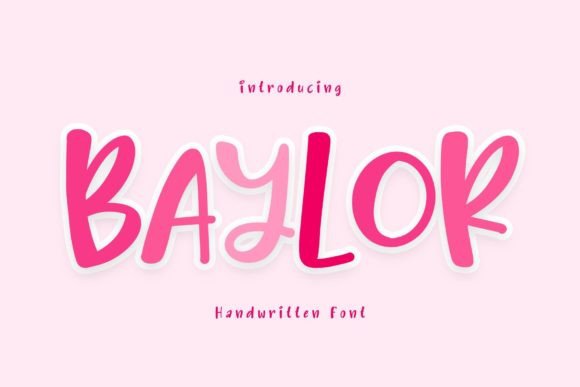
Baylor: A Handwritten Font for Authentic, Playful Designs
You know the feeling when a design just clicks? It’s not always about the most complex layout or the trendiest color palette. Sometimes, the magic happens in the details, like the font you choose. That’s where Baylor comes in. It’s not just another typeface; it’s a tool for injecting genuine personality into your work. As a designer who’s spent years pairing fonts with brand stories, I can tell you that finding a typeface with this much charm and versatility is a real win. Let’s break down what makes Baylor special and how you can use it effectively.
Understanding the Baylor Typeface
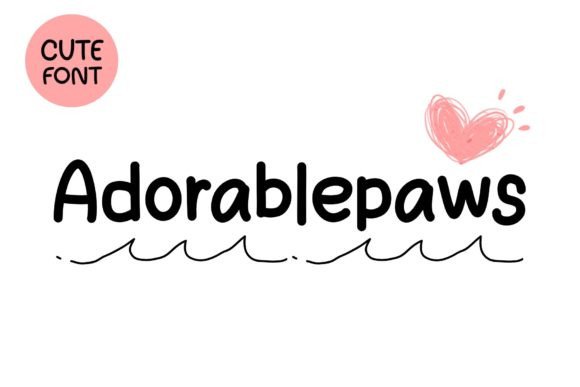
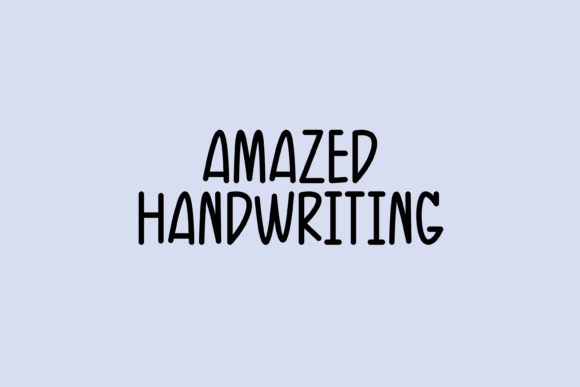
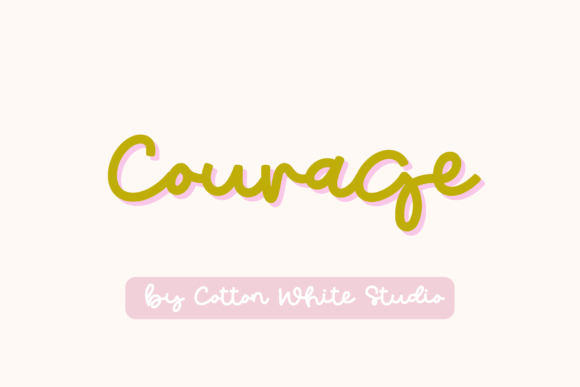
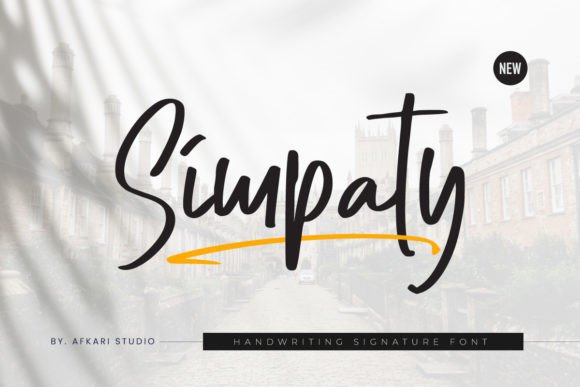
At its core, Baylor is a handwritten font. But that simple label doesn’t do it justice. It’s a premium font crafted with a sense of spontaneous, human touch. The letterforms have a natural, slightly irregular flow, mimicking the authentic imperfections of real penmanship. You’ll notice gentle variations in baseline and stroke width, which prevent it from looking sterile or overly digital. This isn’t a script font that’s trying to be formal; it’s a creative font designed to feel approachable, warm, and genuinely playful. Its overall appeal lies in its ability to communicate authenticity without sacrificing legibility.
Where Baylor Truly Shines: Practical Applications
Knowing a font’s personality is one thing, but understanding where to deploy it is what turns a good design into a great one. Baylor excels in projects where connection and relatability are key. Think of it as your go-to for adding a human element.
- Branding and Logo Design: For small businesses, boutiques, bakeries, or creative studios, a logo design using Baylor instantly feels personal and customer-centric. It suggests a brand that values individuality and hands-on quality. Pair it with a clean sans serif font for body text to maintain professionalism and readability.
- Marketing and Social Media: In the fast-scrolling world of social media graphics, a handwritten headline can stop the thumb. Use Baylor for Instagram quotes, promotional announcements, or sale tags. Its playful style is perfect for creating engaging, shareable content that doesn’t feel like a corporate ad.
- Publishing and Editorial Design: While not for long-form reading, Baylor is a standout for editorial design elements. Think chapter titles in a lifestyle magazine, pull quotes in a blog post, or stylized headings in a cookbook. It adds visual interest and breaks up the monotony of standard serif fonts or sans serifs.
- Packaging and Product Design: From artisanal coffee bags to handmade soap labels, packaging design benefits immensely from this font. It communicates a product’s handmade origin story before the customer even reads the description. It works beautifully on labels, hang tags, and thank-you notes.
- Personal and Craft Projects: Don’t limit it to commercial work. Baylor is fantastic for wedding invitations, greeting cards, planners, and photo album titles. It adds a personal, crafted touch that feels intentional and special.
Strategic Use: Beyond Just Looking Good
A font choice is a strategic decision. Using Baylor isn’t just about liking how it looks; it’s about understanding its impact on your project’s effectiveness.
Visual Hierarchy and Readability: As a display font, Baylor is meant for headlines, subheadings, and short bursts of text—not for paragraphs. Its strength is in drawing the eye and establishing a mood. When used correctly, it creates a clear visual hierarchy, guiding the viewer from the expressive headline to the more neutral body copy. Always test its readability at the intended size, especially for smaller applications like captions.
Brand Perception and Consistency: Consistency is the bedrock of brand identity. If you choose Baylor for your primary logo, consider how it will extend across all touchpoints. Its playful nature might be perfect for your social media and website headers but could clash with a very formal annual report. The key is to use it consistently in the right contexts to build a recognizable and coherent brand voice. This careful application is what separates amateur work from professional modern typography.
Font Pairing and Evaluation: Baylor rarely works well alone. The real skill lies in font pairing. Its organic forms pair beautifully with structured, geometric sans serif fonts (like Montserrat or Poppins) or even a classic serif font (like Playfair Display). This contrast creates balance and ensures your overall design remains polished. Before committing, always test your pairings in a mock-up. Does the combination feel harmonious? Does the body copy remain clear?
Licensing and Practicalities: As a commercial font, ensure you have the correct license for your project—whether it’s for a client, a product for sale, or a personal blog. Review the included font files; many premium fonts offer stylistic alternates or ligatures that can add even more uniqueness to your designs. Check for web font versions if you plan to use it in web design for headlines or calls-to-action.
In the end, Baylor is more than just a collection of glyphs. It’s a design asset that can bridge the gap between a brand and its audience, making communications feel more human and less transactional. Its true value is unlocked when you use it thoughtfully, pairing its inherent charm with solid design principles to create work that resonates and engages. Add it to your toolkit, and you’ll find yourself reaching for it whenever a project calls for a touch of genuine, playful authenticity.