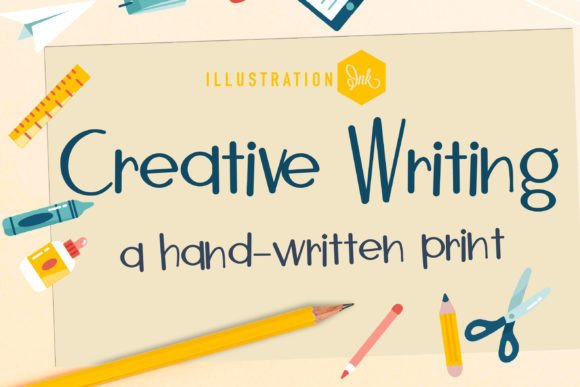
Creative Writing: Where Classic Penmanship Meets Modern Flair
There’s a particular feeling you get when you write with a beautiful pen on quality paper. It’s a blend of focus, tradition, and personal expression. The Creative Writing typeface aims to capture that exact sensation in digital form. This isn’t just another script font or a generic handwritten font. It’s a carefully crafted premium font that bridges the gap between the structured elegance of classic calligraphy and the spontaneous, energetic flow of contemporary hand lettering. For designers, entrepreneurs, and creators, it offers a unique tool to inject warmth, authenticity, and a touch of sophistication into any project.
The Anatomy of a Timeless-yet-Fresh Typeface
At its core, Creative Writing is defined by its dual personality. The letterforms are rooted in traditional penmanship, with thoughtful connections and a natural baseline rhythm that feels familiar and trustworthy. However, look closer and you’ll notice the modern typography influences. There’s a subtle bounce to the x-height, and certain strokes end with a confident, slightly tapered flourish that feels energetic, not stuffy. This balance is key to its versatility. It avoids the overly formal, sometimes illegible nature of some serif font styles, while steering clear of the casual, sometimes childish look of purely playful typefaces.
As a display font, its true strength lies in headlines, logos, and short, impactful text blocks. The character set often includes a wealth of stylistic alternates, ligatures, and swashes, giving designers immense creative control. You can choose a more streamlined, elegant version for a luxury brand or opt for the more expressive, flourished variant for a creative workshop. This flexibility makes it far more than a single-use asset; it’s a family of possibilities within one creative font.
Practical Applications: From Brand Identity to Personal Projects
Knowing where a font shines is just as important as knowing what it looks like. Creative Writing excels in contexts where you want to convey personality, craftsmanship, and a human touch. Its inherent elegance makes it a superb choice for logo design, especially for brands in the wedding, boutique, artisan, beauty, or lifestyle spaces. It immediately communicates care and attention to detail, which is foundational to a strong brand identity.
For editorial design and publishing, think chapter titles, pull quotes, or the masthead of a magazine. It adds a layer of sophistication that draws the reader in. In packaging design, it can elevate a product, suggesting handmade quality or premium ingredients. For digital applications, it’s perfect for creating engaging social media graphics, YouTube thumbnails, or email newsletter headers that stand out in a crowded feed. Its clarity at larger sizes makes it reliable for web design in hero sections or call-to-action buttons.
On a more personal level, it’s a dream for crafters and hobbyists. Imagine it on wedding invitations, personalized stationery, custom journals, or quotes for wall art. Its warmth makes digital creations feel tangible and personal. For small business owners, it’s a powerful tool to create cohesive marketing materials—from business cards to Instagram stories—that feel both professional and approachable.
Working With Creative Writing: A Designer’s Practical Guide
Adopting any new design asset requires a thoughtful approach. Here’s how to get the most out of this typeface:
- Evaluate the Project Fit: This font has a strong personality. It’s ideal for projects aiming for a human, elegant, or artisanal feel. It may not be the best choice for highly technical, corporate, or minimalist interfaces where a neutral sans serif font is required for body text.
- Master Font Pairing: The golden rule for pairing a script font is to let it be the star. Combine Creative Writing with a clean, simple sans-serif or a sturdy serif for body copy. This creates a clear visual hierarchy. For example, pair it with a font like Montserrat for a modern look, or with a classic serif like Garamond for a more traditional feel. Avoid pairing it with other decorative or script fonts, as this creates visual chaos.
- Explore the Full Character Set: Before you start, dive into the font’s OpenType features in your design software. You’ll likely find alternate versions of key letters (like ‘b’, ‘o’, ‘s’) and discretionary ligatures that can add unique flair to a logo or headline. Experimenting with these is what transforms good design into great design.
- Prioritize Readability: While beautiful, any handwritten font requires careful handling. Ensure sufficient contrast with the background color. For longer phrases, consider increasing the letter spacing slightly. Always test your design at the intended output size—what looks stunning as a 100px headline might become illegible as 12px website footer text.
- Understand the License: As a commercial font, it’s crucial to verify the licensing terms. A standard desktop license typically covers use in logos, print materials, and static images. If you plan to embed the font in a mobile app, software, or on a website using
@font-face, you may need a separate web or app license. Purchasing from a reputable foundry ensures you have the correct license for your project’s scope.
The Strategic Value of a Cohesive Font Choice
Choosing a typeface like Creative Writing is a strategic decision that impacts audience engagement and brand perception. Consistency in typography across all touchpoints—from your website to your invoice templates—builds recognition and professionalism. This font’s blend of tradition and modernity can help a brand feel established yet current, trustworthy yet innovative. It’s a subtle but powerful way to communicate your values without saying a word.
In the end, the right typeface doesn’t just look good; it works hard. Creative Writing is more than a design asset; it’s a versatile collaborator. Whether you’re crafting a brand’s entire visual language, designing a one-off invitation, or creating a series of blog graphics, it offers a reliable way to add depth, personality, and a touch of timeless artistry to your creative work. It’s a testament to how thoughtful modern typography can connect the past’s elegance with today’s creative energy.