Rover: A Futuristic Font for Modern Design
If your creative projects need a distinct edge, typography is one of the most powerful tools at your disposal. The right typeface doesn't just present words; it sets a mood, conveys a personality, and anchors your entire visual identity. For those working in tech, science fiction, or any field that wants to project a forward-thinking image, finding a font that feels genuinely innovative can be a challenge. Many futuristic typefaces lean heavily on clichés, but Rover offers something different: a minimalistic, abstract aesthetic that feels both clean and intriguingly complex.
Understanding Rover's Unique Character
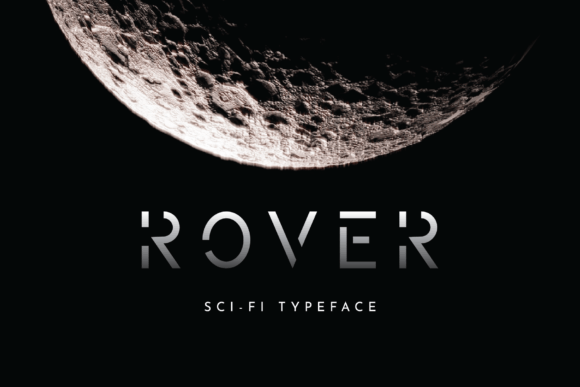
Rover is best described as a display font, meaning it’s crafted for impact at larger sizes rather than for body text. Its defining feature is the collection of unique, abstract glyphs. Instead of familiar letterforms, Rover presents characters built from geometric shapes, sharp angles, and unexpected curves. This creates a visual language that feels mechanical yet organic, like a blueprint for a device not yet invented. The overall personality is one of precision, mystery, and quiet confidence. It doesn't shout for attention; it draws the viewer in with its enigmatic details.
This style makes it an exceptional creative font for projects where you want to avoid generic looks. While a standard sans serif font is versatile, Rover provides a specific flavor. It’s the typographic equivalent of a concept car—sleek, purposeful, and designed to make you look twice. The modern typography principles it employs focus on form following function, but with an artistic twist that elevates it beyond mere utility.
Where to Deploy This Futuristic Typeface
Rover’s strengths shine in applications where visual impact and brand perception are critical. Think about projects where you need to establish an immediate sense of innovation and quality.
For logo design, especially for tech startups, gaming studios, or sci-fi media, Rover provides a foundation that is both memorable and scalable. Its clean lines ensure clarity when reduced, while its unique details become a recognizable brand mark at larger sizes. Paired with a simple serif font or a clean sans serif for body copy, it creates a compelling hierarchy that guides the viewer’s eye.
In the realm of social media graphics and digital content, attention spans are short. A headline set in Rover can stop a scroll. It’s perfect for podcast artwork, YouTube thumbnails, or Instagram posts promoting a new app, a virtual event, or a tech review. The font’s inherent style does much of the heavy lifting, making even a simple layout look professionally designed. For web design, it can be used for hero section headings or key call-to-action buttons, instantly establishing a site’s futuristic tone.
Beyond digital, consider packaging design for products in the electronics, outdoor gear, or specialty beverage sectors. Rover can communicate that a product is engineered, durable, and cutting-edge. For editorial design, it works beautifully for magazine covers, book titles in the speculative fiction genre, or report covers for tech and engineering firms. The font adds a layer of sophistication and thematic consistency that generic choices cannot match.
Making Rover Work for Your Brand
Choosing a premium font like Rover is an investment in your brand’s visual toolkit. To get the most from it, a practical approach is essential.
Evaluate the Fit: Before committing, test Rover in the context of your project. Does its abstract nature align with your message? A financial consulting firm might find it too unconventional, while a VR software company would find it perfect. Print out a sample or view it on a high-resolution screen at the intended size. Check how it renders on different devices if it’s for web use.
Master the Pairing: Rover is a star player, but it needs a supporting cast. A strong font pairing is crucial for readability and balance. For body text, pair it with a highly legible sans serif font like Inter or a classic serif font like Merriweather. The contrast allows Rover to command attention in headlines while the secondary font ensures comfortable reading for longer passages. Avoid pairing it with other highly stylized fonts like a decorative script font or handwritten font, as this can create visual chaos.
Explore the Styles: Check what’s included with the font family. Does it come with multiple weights (Light, Regular, Bold)? Are there italic styles? Having these variations expands its utility, allowing for more nuanced typographic hierarchies within a single brand system.
Readability is Key: Always prioritize clarity. Test headlines and short blocks of text with your actual content. Ensure the abstract letterforms don’t compromise legibility for your target audience. The goal is intrigue, not confusion.
Understand the License: For any commercial use—whether for a client’s logo design, your own business’s marketing materials, or products for sale—you must ensure you have the correct commercial font license. This protects you legally and ensures the font creator is compensated for their work, supporting the continued creation of high-quality design assets.
Rover is more than just a set of letters; it’s a design statement. By understanding its personality and applying it thoughtfully, you can harness its futuristic appeal to build a stronger, more distinctive brand identity that resonates with a modern audience. It’s a tool for designers, entrepreneurs, and creators who want their work to feel not just current, but ahead of the curve.