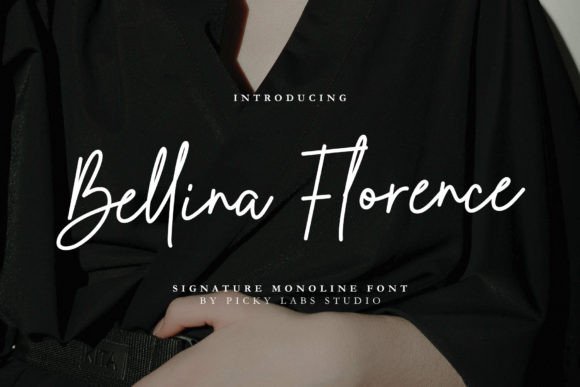
Bellina Florence: A Modern Signature Font for Distinctive Branding
When you’re building a brand, every detail tells a story. The typeface you choose is one of the first voices your audience hears. It sets a tone before they even read a word. For projects that need a personal, human touch without sacrificing clarity, a smooth signature font like Bellina Florence can be a powerful tool in your design toolkit. This isn’t just about pretty letters; it’s about creating a specific feeling and connection.
Bellina Florence is a smooth signature monoline font. That means each letter is drawn with a consistent, single-weight line, giving it a clean, elegant flow. It has a strong character in each letterform, avoiding the overly casual or messy look some script fonts can have. The personality here is one of refined confidence—it feels handwritten, yet intentional and polished. This balance is what makes it so versatile. It carries the warmth and authenticity of handwriting with the professionalism required for commercial use.
Where This Creative Font Truly Shines
The real value of a typeface is in its application. Bellina Florence isn’t a one-trick pony; it’s a workhorse for projects where personality and approachability are key. Think beyond the obvious. While it’s stunning for wedding invitations and stationery, its utility extends far into the commercial world.
For brand identity, it’s a secret weapon for small businesses and entrepreneurs. Imagine a boutique bakery’s logo, the masthead of a lifestyle blog, or the branding for a handmade jewelry line. Bellina Florence injects immediate personality and warmth, helping to build a brand that feels relatable and genuine. In packaging design, it can make a product stand out on a crowded shelf, suggesting care and craftsmanship. Use it for a product name on a label, a tagline on a coffee bag, or the logo on artisanal soap.
In the digital space, this display font excels. For social media graphics, it creates eye-catching quotes, announcements, and story highlights that feel personal and engaging. It can break up the monotony of standard sans serif fonts in a feed, helping your posts get noticed. For web design, it’s perfect for hero section headings, call-to-action buttons, or logo treatments on a website, especially for brands in the lifestyle, fashion, or creative industries. It adds a layer of sophistication that a standard sans serif font might lack.
For editorial design and publishing, consider using it for chapter titles in a book, section headers in a magazine, or pull quotes that need to draw the reader’s eye. It pairs beautifully with a clean, readable serif font or sans serif font for body text, creating a clear and attractive visual hierarchy.
Practical Guidance for Using Bellina Florence
Choosing the right font is only half the battle. Using it effectively is what separates good design from great design. Here’s how to think about integrating Bellina Florence into your projects.
Evaluate the Fit. Ask yourself: does my project need a human, personal voice? If you’re designing a corporate law firm’s annual report, this might not be the right choice. But if you’re creating a menu for a cozy café, branding for a yoga studio, or a social media campaign for a new skincare line, it’s likely an excellent fit. Its strength is in conveying authenticity and style.
Master the Font Pairing. This is critical. Bellina Florence, as a script font, is best used for headlines, logos, and accents—not for long paragraphs of body copy. Its personality can become overwhelming in large blocks. Pair it with a neutral, highly legible typeface. A geometric sans serif font like Montserrat or Poppins creates a modern, clean contrast. A classic serif font like Lora or Playfair Display can create a more elegant, traditional pairing. Always test your pairings in context to ensure they work together harmoniously.
Consider Readability and Hierarchy. Because it’s a monoline script, it maintains good legibility at larger sizes, but always check. Use it where you want to draw attention. In a logo, make it the star. On a poster, use it for the event name, but set the details (date, time, location) in a simpler font. This creates a clear visual hierarchy, guiding the viewer’s eye exactly where you want it to go.
Check the Styles and Licensing. Before purchasing or using any premium font, review what’s included. Does it have alternate characters, ligatures, or multiple weights? These extras can add depth to your designs. Equally important is the license. Ensure the commercial font license covers your intended use—whether for a client project, merchandise, or a digital product. This is a non-negotiable step for professional work.
Bellina Florence is more than just another creative font. It’s a strategic design asset that can help shape perception, foster connection, and elevate a project’s aesthetic. By understanding its personality and applying it thoughtfully, you can leverage its strengths to create work that is not only beautiful but also effective and memorable. It’s a testament to how the right modern typography choice can become a cornerstone of a successful visual message.